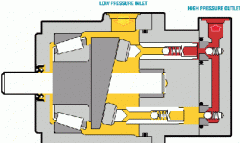
Basic principle of a hydraulic pump It is a hydraulic component that supplies pressurised fluid for hydraulic transmission, converting the mechanical energy of a prime mover (electric motor or internal combustion engine) into the pressure energy of the fluid....
Unlike earlier camshaft-driven diesel injection systems, common rail completely separates pressure generation from the injection process. Solenoid-controlled injectors replace conventional mechanical injectors; rail pressure is generated by a radial-plunger high-pressure pump, is independent of engine speed and can be freely set within a range.
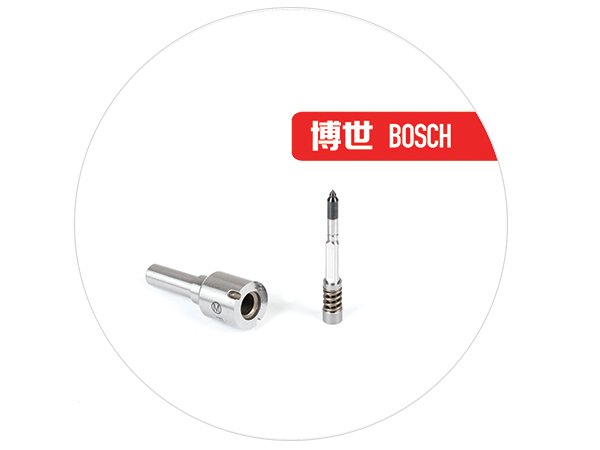
Before the injection pump starts delivering fuel, the nozzle needle valve is closed, held by its spring. Once the pump begins its delivery stroke, high-pressure diesel enters the nozzle assembly through the inlet union and passes along the oil passage in the nozzle body.
The injector used in modern vehicles is essentially a simple solenoid valve: when the coil is energised it lifts the needle, opening the spray holes so that fuel is injected at high speed through the annular gap between the needle and the orifice.