The fuel injection pump is the most important component of the diesel fuel supply system; its performance and quality have a decisive effect on the engine and it is known as the heart of the diesel engine. Injection pumps fall into three main types: in-line, distributor and unit pumps...
A common rail system separates fuel pressure generation from fuel injection. If unit pump injection was a revolution in diesel technology, common rail could be called a rebellion, since it departs from the conventional diesel system...
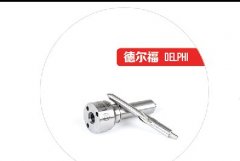
Standard injectors are divided into pintle-type and orifice-plate types. The pintle type is further divided into S-series and T-series; the S-series is used for testing fuel pumps of small and medium power engines...
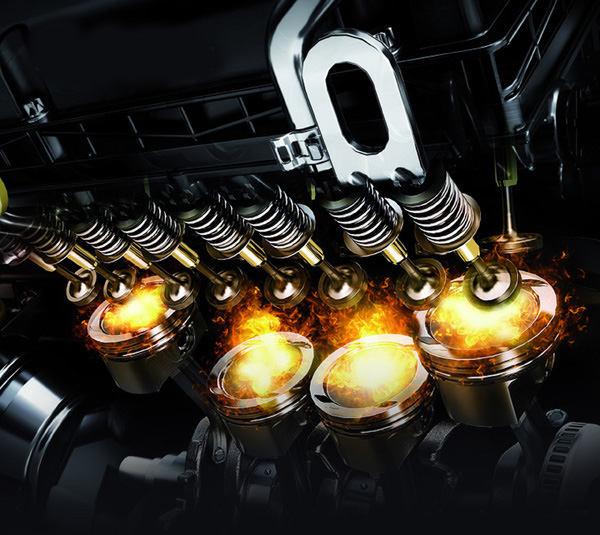
An internal combustion engine is a machine in which fuel is burned inside the machine to produce work, without the fuel coming into direct contact with air during combustion. Diesel and petrol engines are typical examples. A reciprocating piston engine consists mainly of the crank-connecting rod mechanism, block and cylinder head, valve train, fuel system, lubrication system, cooling system and starting system...
Nozzles are usually classified by atomisation method: (1) low-pressure nozzles, which use the momentum of combustion air to atomise fuel, with low atomisation power consumption and good atomisation quality but a complex structure and limited air preheat temperature...
How a high-pressure fuel pump works: 1. The feed pump draws fuel from the tank through a filter with a water separator and into the high-pressure pump via the inlet line. 2. Fuel passes through the throttle orifice of the pressure relief valve into the lubrication and cooling circuit...